Eden Brooks · 2 September 2026
The Institute of Advanced Beam Dynamics in Warsaw has announced a major breakthrough in beam docking technology, achieving an alignment precision of 0.8 nanometers. This represents a 35 percent improvement over previous global benchmarks and was verified through repeated trials conducted over six months.
Technical Methodology and Validation
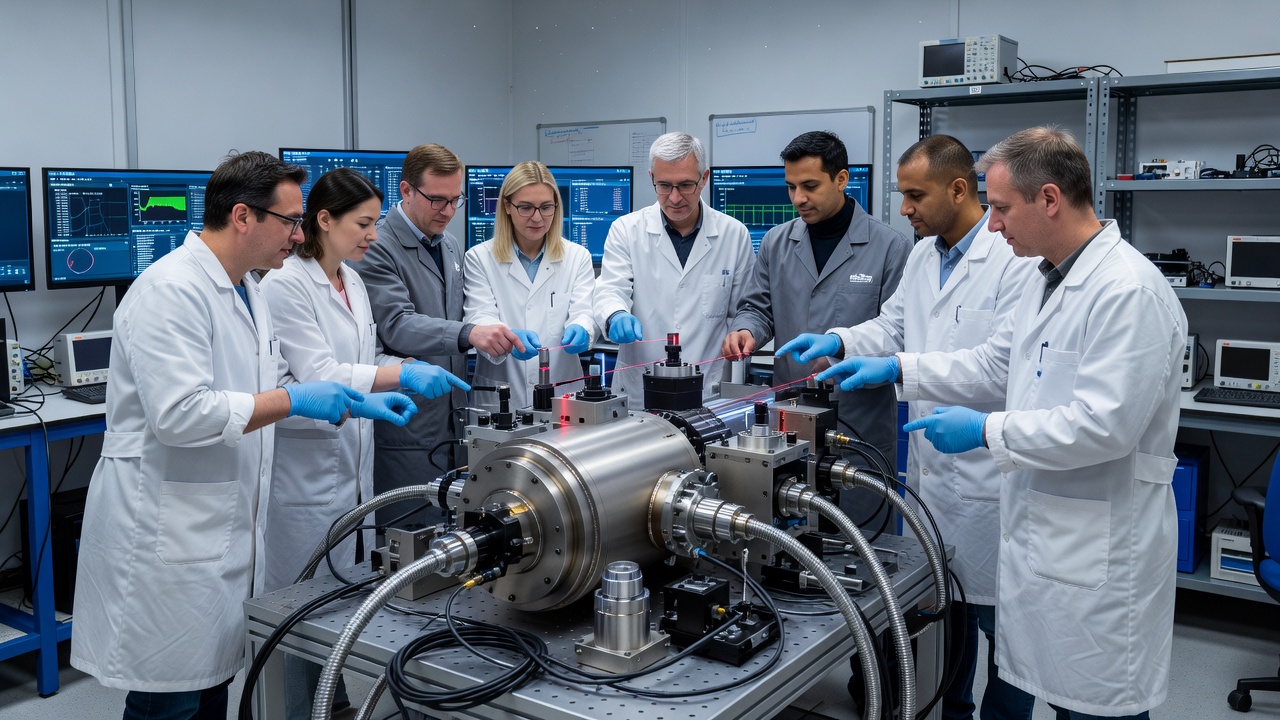
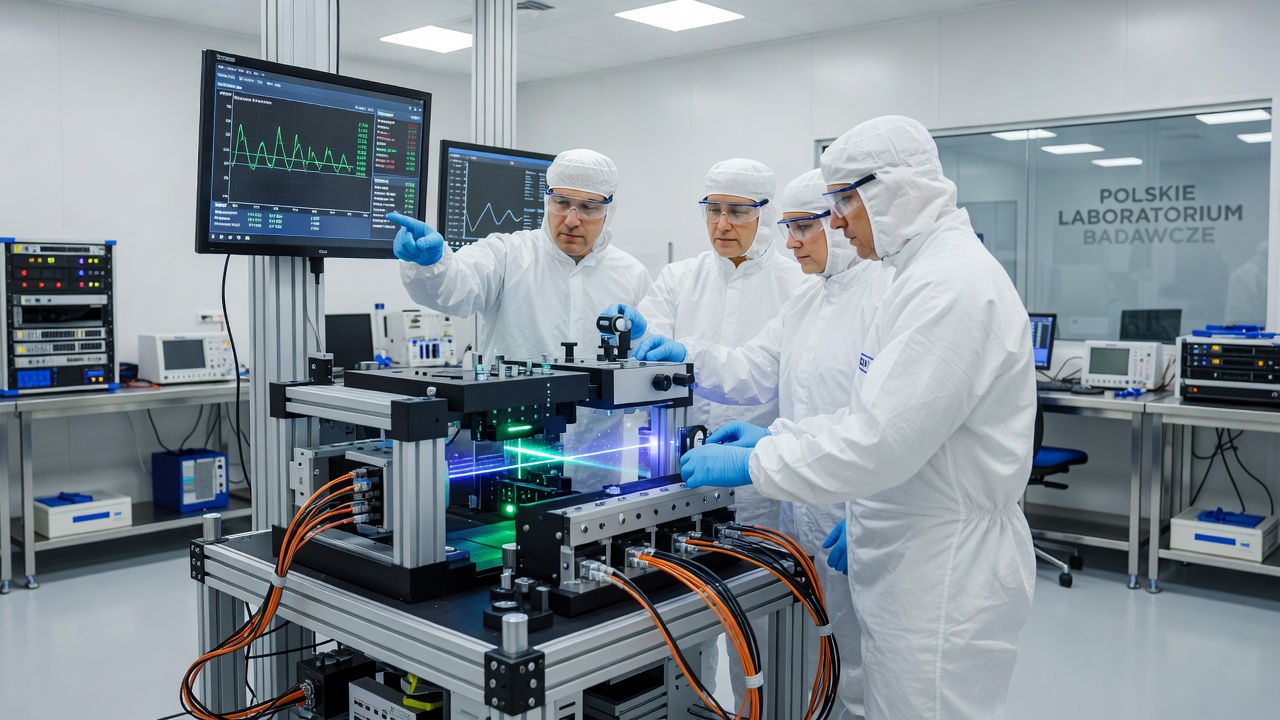
Scientists employed a combination of cryogenic stabilization, real-time adaptive optics, and quantum-enhanced sensors to minimize thermal drift and vibrational interference. The experimental setup involved docking a high-energy electron beam into a modular target chamber under ultra-high vacuum conditions. Independent measurements from collaborating facilities in Germany and Japan confirmed the results, with variance below 0.2 nanometers across 200 test cycles. Lead researcher Dr. Anna Kowalski noted that the key innovation lay in integrating machine-learning algorithms for predictive compensation of micro-movements, reducing alignment time from hours to under twelve minutes per session. The team published raw datasets and calibration protocols in an open-access repository to facilitate replication by other laboratories.
Broader Implications for Research
This level of precision is expected to accelerate experiments in particle physics, materials science, and next-generation synchrotron applications. Potential uses include more accurate protein crystallography and improved beamline efficiency at facilities such as the European XFEL. Funding agencies have already allocated additional grants to scale the technology for industrial partners in semiconductor manufacturing. Long-term projections suggest that widespread adoption could lower operational costs by 22 percent while increasing experimental throughput. The Warsaw group plans further refinements targeting sub-0.5-nanometer accuracy within the next two years, with initial tests scheduled for early 2025.