Carlo Wolf · 2 October 2026
New Standards Reshape Oversight of Beam Technology Studies
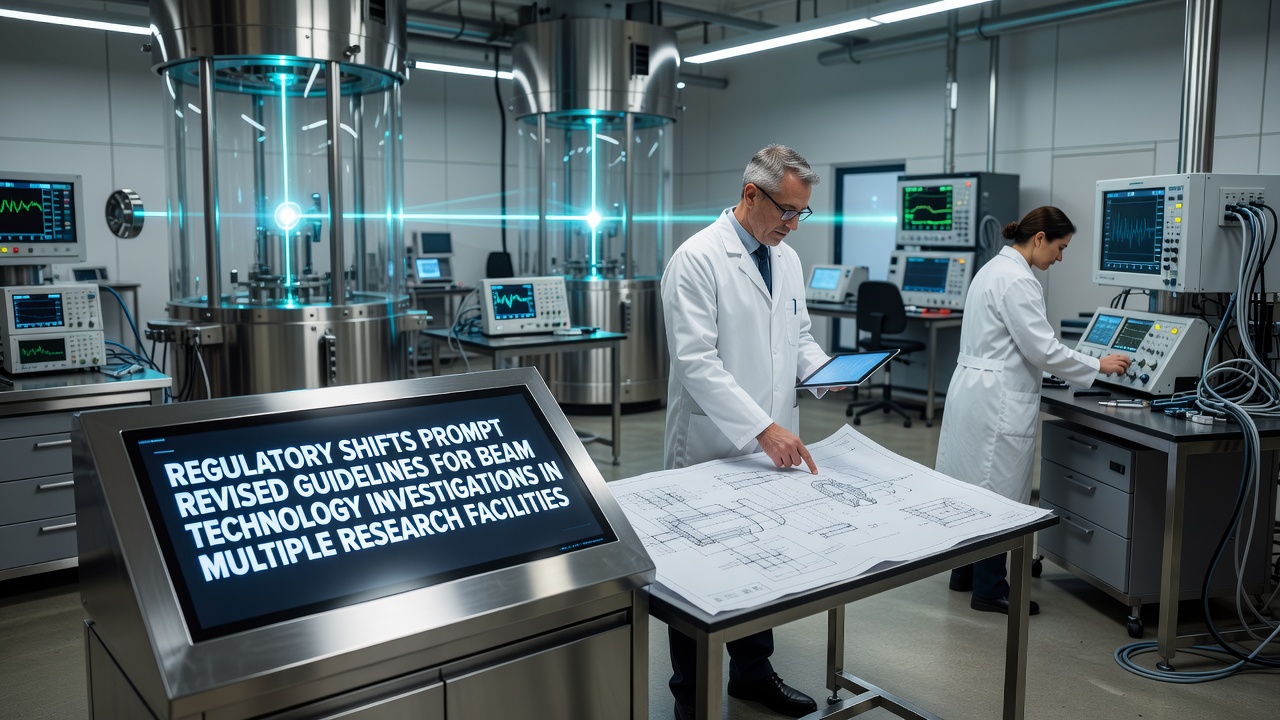
Regulatory bodies across several regions have introduced revised guidelines that now govern beam technology investigations at multiple research facilities, and these updates took effect in October 2026 according to announcements from the International Atomic Energy Agency and the Canadian Nuclear Safety Commission. Facilities conducting experiments with particle beams, laser systems, and related instrumentation must align their procedures with the new frameworks, which emphasize enhanced safety documentation and cross-border data sharing requirements.
Background on the Regulatory Updates
Agencies began reviewing existing beam research rules in 2024 after incident reports highlighted inconsistencies in containment procedures at various sites, and the resulting documents outline stricter reporting timelines for alignment deviations along with mandatory training modules for personnel. Data from the European Commission shows that over 120 facilities in member states now fall under the expanded scope, whereas earlier versions applied mainly to high-energy accelerators. Observers note that the changes also incorporate environmental monitoring standards that track potential emissions from beam sources during extended runs.
Researchers at several institutions have started mapping their current workflows against the revised criteria, and this process involves cross-referencing older safety logs with the fresh parameters released in October 2026. The Canadian Nuclear Safety Commission published a companion guide that details inspection checklists, and facilities report allocating additional resources to meet the quarterly audit cycles now required.
Key Changes in Investigation Protocols
One major adjustment requires real-time logging of beam parameter fluctuations whenever experiments exceed preset energy thresholds, and this replaces previous monthly summaries with continuous digital records accessible to regulators. Studies indicate that facilities using synchrotron beamlines must now submit preliminary risk assessments before initiating new alignment sequences, while those handling lower-power laser setups follow a streamlined notification process. According to figures released by the International Atomic Energy Agency, compliance rates for the initial reporting phase reached 87 percent among participating sites by late October 2026.
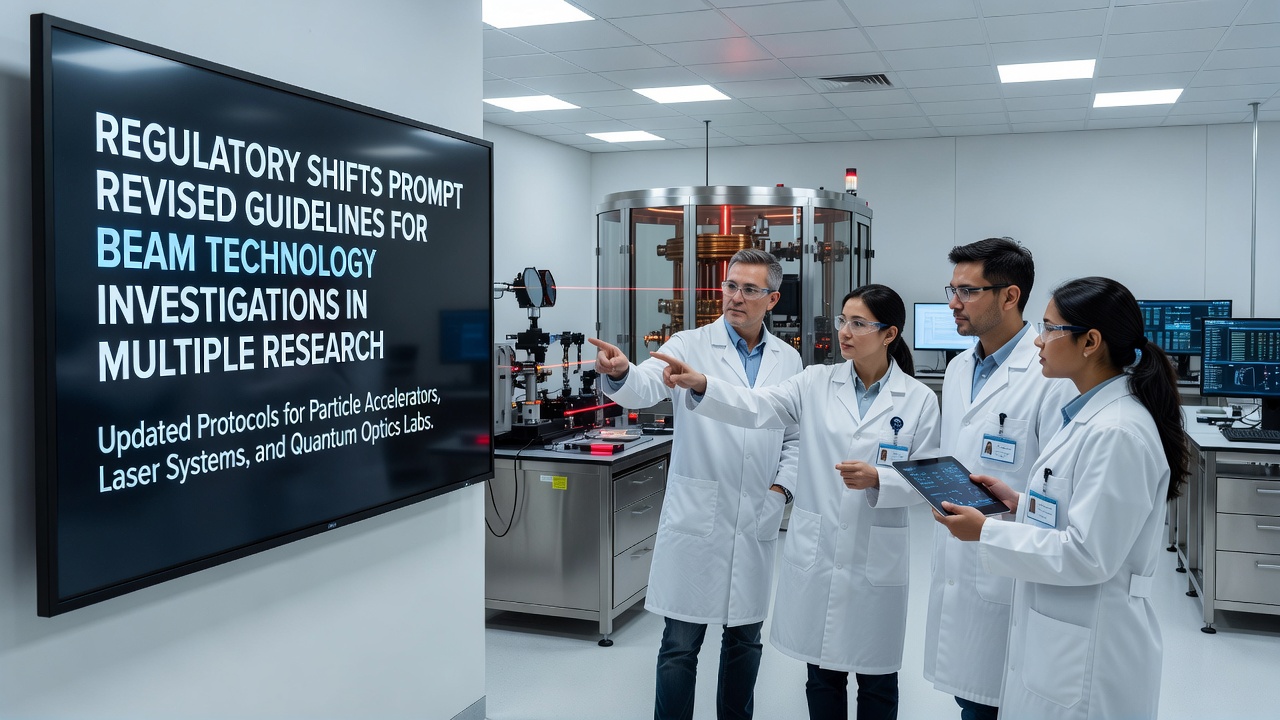
Additional provisions address thermal management during multi-site collaborative projects, and these rules stipulate that any orbital drift exceeding 0.2 milliradians triggers an immediate review cycle involving all partner institutions. Facilities have begun integrating automated alert systems that flag such events, and early adoption data suggests reduced response times compared with manual methods used previously. The updates also expand the definition of reportable incidents to include software anomalies in beam control interfaces, a category that earlier guidelines treated separately from hardware issues.
Implementation Across Facilities
European research centers completed their first round of updated safety audits under the new guidelines by mid-October 2026, and North American labs followed with similar reviews scheduled through the end of the year. Administrators at these sites describe reallocating budgets toward sensor upgrades that support the continuous monitoring mandates, while training programs now incorporate scenario-based exercises drawn from the revised case studies. Data indicates that smaller facilities face steeper adjustment curves because they lack dedicated compliance teams, yet many have formed regional consortia to share best practices and documentation templates.
International collaboration agreements now reference the October 2026 standards explicitly, and this linkage affects joint experiments spanning facilities in different regulatory jurisdictions. Project leads must verify that all beam parameters remain within the harmonized limits before commencing data collection phases, and deviations require coordinated notifications sent simultaneously to each involved oversight body.
Conclusion
Research facilities continue to integrate the revised guidelines into daily operations following the October 2026 announcements, and ongoing assessments will determine whether further refinements become necessary based on collected compliance data. The frameworks established by agencies such as the International Atomic Energy Agency and the Canadian Nuclear Safety Commission provide a unified structure that addresses both safety and reporting consistency across beam technology investigations worldwide.